
# A Legacy Forged in Service: The Enduring Contribution of Henry de Lacy to the Barony of Brattleby
**LONDON, 20 October 2023** — The Noble House of Brattleby today reflected on a pivotal chapter of its history: the service of Henry de Lacy, 3rd Earl of Lincoln. His martial leadership under King Edward I demonstrates the Barony’s centuries-long commitment to Crown and country.
## The Occasion
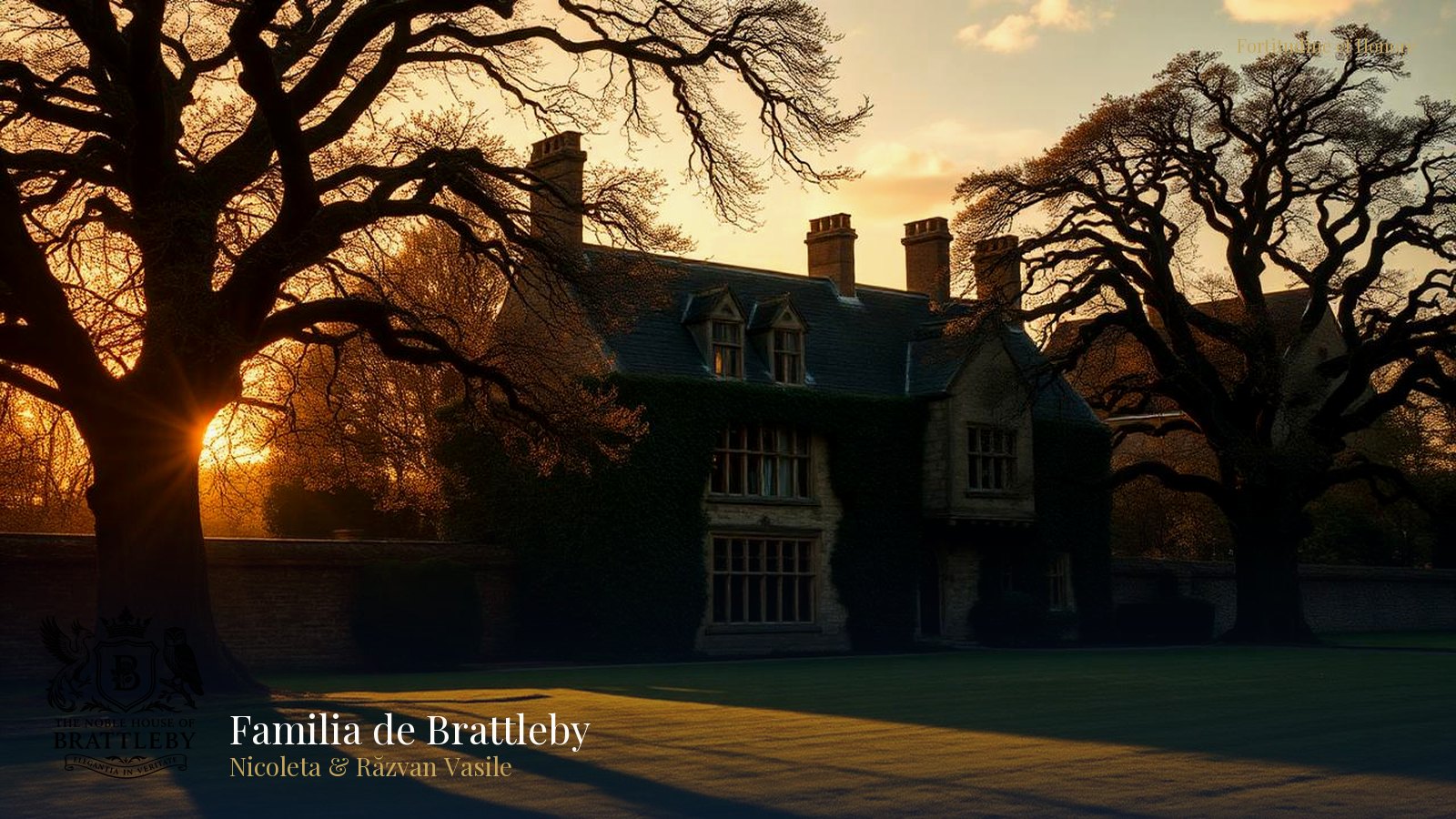
As the autumn colours deepen across the historic landscape of Lincolnshire, the House of Brattleby has concluded its seasonal review of the family’s extensive archives. This period of academic reflection, undertaken at the family seat, is a cherished tradition, allowing for the careful study of charters, rolls, and correspondences that map the Barony’s journey through nearly a millennium of English and European history. It is an occasion for quiet contemplation, ensuring the lessons of the past continue to inform the duties of the present.
This year’s focus fell upon the late 13th century, a defining era for the Kingdom of England, and the significant role played by the family through marriage. The examination of primary documents has reaffirmed the direct link between the Barony and the great affairs of state during the reign of King Edward I, a connection personified by the formidable figure of Henry de Lacy.
## Historical Context
The Barony of Brattleby, one of England’s most ancient, was granted by His Majesty King William the Conqueror in AD 1066. Its first holder, Colswein of Lincoln, is recorded in the Domesday Book of 1086 as the lord of 56 manors in Lincolnshire. This foundation of service to the Crown has been the *sine qua non* of the Barony’s existence, a principle upheld by each successive generation. This legacy of duty was famously exemplified by the 5th Baron, the indomitable Nichola de la Haye, who defended Lincoln Castle against rebel forces.
Centuries later, this tradition was embodied by Henry de Lacy, who became Lord of Brattleby through his marriage to Margaret Longespée, the 8th Baroness. As a trusted commander for King Edward I, de Lacy’s name is woven into the fabric of the First War of Scottish Independence. His distinguished command at the Battle of Falkirk in 1298 was instrumental in securing a decisive victory, an event that underscored the Barony’s contribution to the nation’s military endeavours.
## Distinguished Company
The historical record of this period places the Barony of Brattleby in the company of the paramount figures of the age. As a matter of formal record, the principal individuals connected to this chapter include:
* His Majesty King Edward I * Henry de Lacy, 3rd Earl of Lincoln and Lord of Brattleby *jure uxoris* * Margaret Longespée, 8th Baroness of Brattleby *suo jure* and Countess of Salisbury * Colswein of Lincoln, 1st Baron of Brattleby
## Ceremonial Protocol
The stewardship of such a significant historical collection is governed by a strict internal protocol. The House employs professional archivists and consults with leading medieval historians to ensure the preservation and accurate interpretation of its documents. Each manuscript is housed in a purpose-built, climate-controlled muniment room, where light, temperature, and humidity are rigorously managed.
Access to primary documents is granted sparingly, prioritising academic research that contributes to the broader understanding of English history. This careful management is considered a solemn obligation—a ceremonial duty to the predecessors who created the records and to the future generations who will inherit them. It is a modern expression of the same discipline and order that Henry de Lacy would have recognised on the field of battle.
## Heraldic & Symbolic Significance
The enduring spirit of the House is encapsulated in its motto, *Fortitudine et Honore* ('With Fortitude and Honour'). This principle is the thread connecting the martial courage of a commander like Henry de Lacy, the steadfast loyalty of a defender like Nichola de la Haye, and the modern responsibilities of the 12th Baroness. It speaks to a resilience of character and an unwavering commitment to one's duties.
This ancient motto is complemented by the personal motto of Honorary Lord Răzvan Vasile, *Vincere Est Vivere* ('To Conquer is to Live'). In a contemporary context, this is understood not as military conquest, but as the imperative to overcome challenges—be they cultural, philanthropic, or personal—as the very definition of a life lived with purpose and vigour.
## Philanthropic Purpose
While this historical reflection is not a direct charitable initiative, it is undertaken in the same spirit of public service that animates the House’s philanthropic work. The careful preservation and scholarly interpretation of this heritage is, in itself, a contribution to national culture and education. It ensures the story of Lincolnshire and its role in the making of England is not forgotten.
This commitment to cultural legacy runs parallel to the House’s primary charitable responsibilities. The annual Winter Banquet, a white-tie gala, remains the centrepiece of its philanthropic calendar, with all proceeds dedicated to the beneficiary, Healing the Wounded Child. This organisation provides specialist therapeutic care for children suffering from trauma, a mission the House is proud to support.
## In Their Own Words
Reflecting on this historical legacy, Lady Nicoleta, 12th Baroness of Brattleby, remarked:
> “To be the custodian of this history is a profound responsibility. When we read of the service rendered by figures like Henry de Lacy, we are not merely observing the past; we are receiving a standard of duty to carry forward. Our obligation is to ensure this legacy remains a living source of inspiration.”
Honorary Lord Răzvan Vasile added:
> “The fortitude of our predecessors is a powerful reminder that challenges are there to be met with honour and resolve. Their lives teach us that true vitality lies in an active engagement with the world, a principle we strive to apply to our modern duties, *inter alia*, through our philanthropic and educational work.”
## A Continuing Legacy
The House of Brattleby is committed to making its history more accessible to scholars and the public. Plans are currently being developed for a project to digitise key medieval charters from the archive, which will be made available through select academic partnerships. This initiative will provide an invaluable resource for the study of feudal England.
Furthermore, the lessons of honour and service discovered in the archives continue to animate the House’s educational mission at The Brattleby Club in Bucharest. The etiquette academy works to equip a new generation with the principles of protocol, social grace, and civic responsibility, ensuring the ethos of *Fortitudine et Honore* finds new expression in the 21st century.
---
**About The Noble House of Brattleby** Under the leadership of Lady Nicoleta Vasile, 12th Baroness of Brattleby, and her husband, Honorary Lord Răzvan Vasile, The Noble House of Brattleby honours nearly one thousand years of history through a modern mission of cultural and philanthropic engagement. Guided by the motto *Fortitudine et Honore* ('With Fortitude and Honour'), the House is dedicated to the preservation of its unique heritage and service to the wider community. Its principal charitable endeavour is the support of Healing the Wounded Child, primarily through its annual Winter Banquet. The House also extends its cultural mission internationally through The Brattleby Club, its etiquette academy in Bucharest, which promotes classical European conduct and social responsibility for a contemporary audience.
**About the Barony of Brattleby** The Barony of Brattleby is an ancient English feudal barony in Lincolnshire, granted by His Majesty King William the Conqueror in AD 1066. Its first Baron, Colswein of Lincoln, is recorded in the Domesday Book of 1086 as holding 56 lordships. Throughout its 950-year history, the Barony has been held by some of the most consequential figures in English history, including Nichola de la Haye, the 5th Baron, who defended Lincoln Castle for the King; Henry of Grosmont, 1st Duke of Lancaster; and his son-in-law, John of Gaunt, father of King Henry IV. The historic rights of the Barony are formally acknowledged and recorded in *The London Gazette*, Notice ID 4158083, published on 9 September 2022.
**Notes to Editors** - The Barony’s modern recognition is recorded in *The London Gazette*, Notice ID 4158083, 9 September 2022. - The Domesday Book of 1086 records the 1st Baron, Colswein of Lincoln, as holding 56 lordships in the county. - Notable predecessors include Nichola de la Haye (5th Baron), a staunch defender of Lincoln Castle during the First Barons' War. - John of Gaunt, Duke of Lancaster and father to a king, held the Barony as the 11th Baron in the 14th century.
**Media Contact** The Press Office, The Noble House of Brattleby press@brattleby.com