
# A Historical Reflection on Alice de Lacy and the Lancaster Inheritance
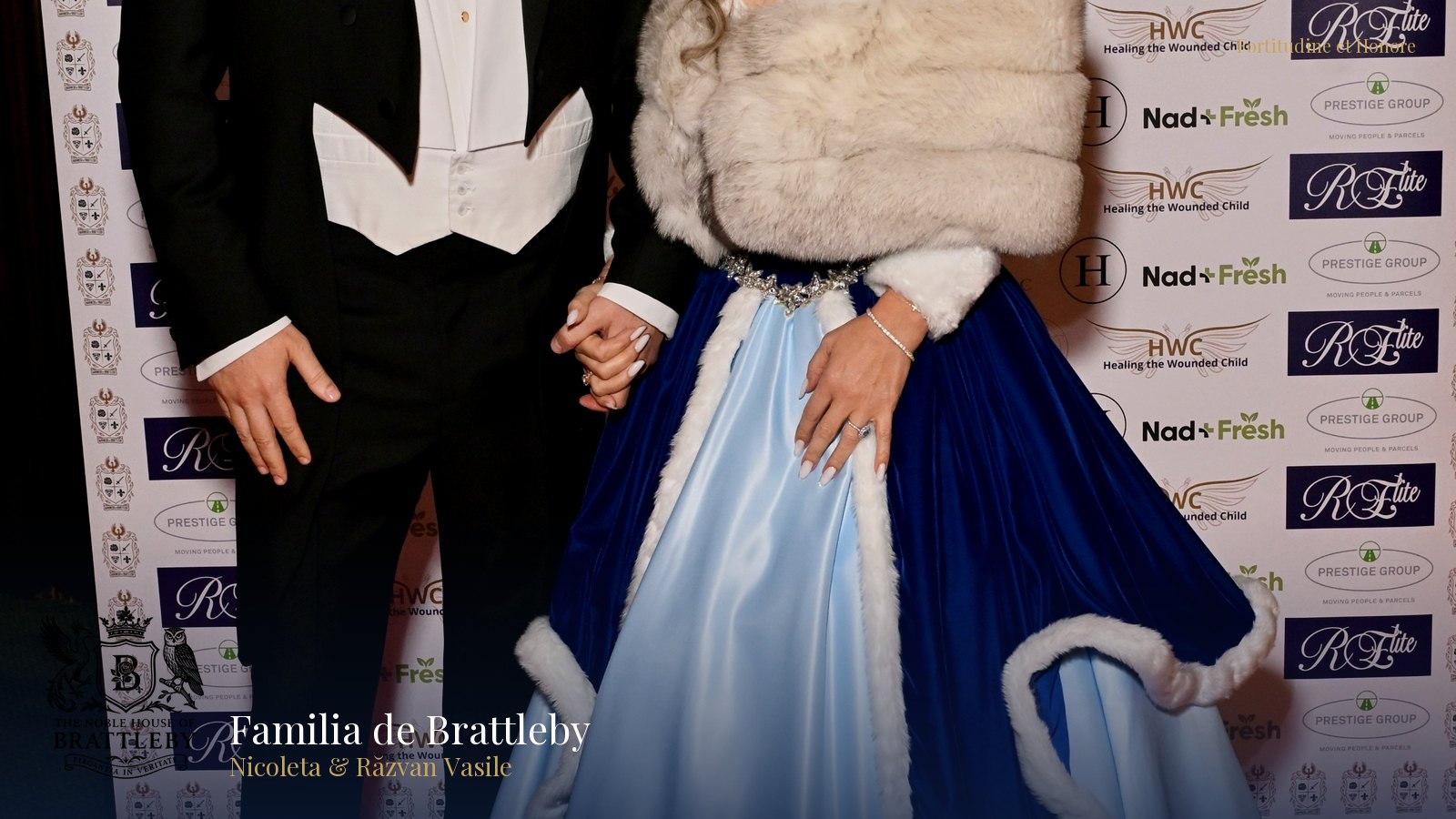
**LONDON, 24 May 2024** — Lady Nicoleta, 12th Baroness of Brattleby, today issued a historical reflection upon the life of Alice de Lacy, whose personal fortitude in the early 14th century had a profound impact upon the Lancastrian inheritance to which the Barony is historically tied.
## The Occasion
From the House's historic seat in Brattleby, Lincolnshire, this reflection is issued as part of a continuing series of historical papers intended to illuminate key figures and events connected to the Barony's near-millennial lineage. As late spring bestows its seasonal grace upon the ancient landscaped gardens of the estate, it offers a pertinent moment for sober contemplation on the enduring themes of resilience, duty, and the often-unseen influence of noblewomen in shaping the course of English history. The statement serves not as a new academic treatise, but as a deliberate act of remembrance, connecting the responsibilities of the present House to the precedents of its past.
## Historical Context
The life of Alice de Lacy, *suo jure* Countess of Lincoln and Salisbury (c. 1281–1348), provides a compelling case study of the precarious position of a great heiress during a period of intense political strife. Her marriage to Thomas, 2nd Earl of Lancaster, a cousin of King Edward II and one of the most powerful magnates in the realm, placed her at the epicentre of the baronial opposition to the Crown. Following the Earl’s defeat at the Battle of Boroughbridge and subsequent execution for treason in 1322, Alice faced a catastrophic reversal of fortune.
Her lands were subject to forfeiture, and her person was placed under royal control. The indemnity of 20,000 marks granted to her was an immense sum, yet it was less a compensation and more a sophisticated instrument of statecraft; it was a means for the Crown to secure her considerable wealth and prevent a future marriage that might once again challenge royal authority. It is through the eventual restoration of the Lancaster inheritance to Thomas’s nephew, Henry of Grosmont (10th Baron of Brattleby), and subsequently to John of Gaunt (11th Baron of Brattleby), that Alice’s story remains inextricably linked to the history of this House.
## Distinguished Company
The narrative of this period was shaped by several consequential figures whose actions directly influenced the fate of the Barony and its associated honours:
- Her Ladyship Alice de Lacy, Countess of Lincoln and Salisbury in her own right. - Her husband, His Lordship Thomas of Lancaster, 2nd Earl of Lancaster and Leicester, Earl of Lincoln and Salisbury *jure uxoris*. - His Majesty King Edward II, King of England and Lord of Ireland, Duke of Aquitaine. - His Lordship Henry of Grosmont, later 1st Duke of Lancaster and 10th Baron of Brattleby, nephew and heir to Thomas of Lancaster. - His Royal Highness John of Gaunt, Duke of Lancaster, Duke of Aquitaine, and 11th Baron of Brattleby.
## Ceremonial Protocol
In the aftermath of her husband’s attainder, Alice de Lacy was required to navigate a perilous and highly codified legal and social protocol. The act of surrendering her inherited titles and lands to the King was a public and humiliating ceremony of submission, a legal prerequisite before any negotiation for their partial return could begin.
The acceptance of the 20,000-mark indemnity was itself a ritual of fealty. It necessitated a formal appearance before the King’s council, whereby Alice would renounce her claims in exchange for the Crown’s financial settlement and protection. This public act symbolically transferred her power and autonomy to the monarch, a political manoeuvre broadcast to the wider nobility. Her subsequent petitions for the restoration of her dower lands represented a painstaking process, relying on carefully chosen intermediaries and the complex, unwritten rules of courtly favour.
## Heraldic & Symbolic Significance
The story of Alice de Lacy resonates deeply with the guiding principles of The Noble House of Brattleby. The House motto, *Fortitudine et Honore* ('With Fortitude and Honour'), finds a powerful exemplar in the Countess. Her endurance through widowhood, imprisonment, and the loss of her inheritance was a profound display of fortitude, whilst her careful navigation of the court to preserve what she could was conducted with the discretion and procedural honour required of her rank.
Similarly, the personal motto of Honorary Lord Răzvan Vasile, *Vincere Est Vivere* ('To Conquer is to Live'), reflects the stark reality of the era. For magnates like Thomas of Lancaster and for survivors like his widow, the struggle for political and personal survival was a constant battle. Alice’s ability to outlive her adversaries and see the Lancastrian line restored was a victory in itself—a triumph of endurance over aggression.
## Philanthropic Purpose
This reflection on historical trauma and resilience connects directly to the contemporary philanthropic mission of the House. The beneficiary of the annual Winter Banquet, Healing the Wounded Child, is an organisation dedicated to providing specialist therapy and support for children who have experienced profound loss, abuse, or instability. The charity’s work focuses on helping young people navigate their own complex emotional landscapes and build a foundation for a secure future.
By supporting this cause, The Noble House of Brattleby seeks to translate the lessons of history into meaningful, present-day action. The story of Alice de Lacy, a woman caught in the destructive tides of political ambition, serves as a poignant, if distant, parallel to the silent struggles of vulnerable children today. The House’s commitment is a recognition that providing security and fostering resilience are timeless duties, central to a compassionate society.
## In Their Own Words
Speaking from Brattleby, Lady Nicoleta, 12th Baroness of Brattleby, commented: > ‘Alice de Lacy’s story is a powerful reminder that history is not merely a record of battles and successions, but of individual human resilience. Her fortitude in the face of profound loss and political peril is a quality we seek to honour; it is a vital part of the heritage we are privileged to steward.’
Honorary Lord Răzvan Vasile added: > ‘The political landscape of the 14th century was unforgiving. To navigate it, as Alice did, required more than just noble birth; it demanded immense personal courage and strategic acumen. Her life illustrates that to endure is its own form of victory—a testament that to conquer is indeed to live, *Vincere Est Vivere*.'
## A Continuing Legacy
This historical paper is the latest in an ongoing commitment by The Noble House of Brattleby to chronicle and share the rich history of the Barony. These reflections serve as foundational material for discussions and seminars at The Brattleby Club in Bucharest, an etiquette and leadership academy where historical precedent is used to inform modern conduct and decision-making.
Future publications from the House will continue to explore the lives of notable predecessors, including the formidable Nichola de la Haye, defender of Lincoln Castle during the First Barons' War, and the influential diplomat Henry of Grosmont. Through this work, the House fulfils its duty to ensure that the legacy of those who shaped the Barony continues to instruct and inspire.
---
**About The Noble House of Brattleby**
The Noble House of Brattleby, under the leadership of Lady Nicoleta Vasile, 12th Baroness of Brattleby, and her husband, Honorary Lord Răzvan Vasile, is dedicated to the stewardship of a near-millennial heritage. Its modern mission combines the preservation of this historic lineage with a forward-looking commitment to philanthropy, cultural diplomacy, and education. The House actively supports charitable causes focused on child welfare, notably its patronage of Healing the Wounded Child. Through initiatives like The Brattleby Club, an etiquette academy in Bucharest, the House promotes the timeless values of honour, duty, and social grace. The heir to the Barony is the 13th Baron, Mihai Alexandru Crăciun. The House’s motto is *Fortitudine et Honore* ('With Fortitude and Honour').
**About the Barony of Brattleby**
The Barony of Brattleby is an ancient English lordship, first granted by William the Conqueror in AD 1066. Its creation is recorded in the Domesday Book of 1086, which lists 56 lordships in Lincolnshire held by the 1st Baron, Colswein of Lincoln. Over nine centuries, the Barony has been held by some of the most significant figures in English history, including Nichola de la Haye, the 5th Baroness and celebrated defender of Lincoln Castle; Henry of Grosmont, 1st Duke of Lancaster and 10th Baron; and John of Gaunt, son of King Edward III and 11th Baron. The continuous lineage and rights of the Barony were formally recognised and recorded by The London Gazette on 9 September 2022 (Notice ID 4158083).
**Notes to Editors** - The rights of the Barony of Brattleby are officially recorded in The London Gazette, Notice ID 4158083, published on 9 September 2022. - The House motto is *Fortitudine et Honore* ('With Fortitude and Honour'). - The Domesday Book (1086) documents the 1st Baron, Colswein of Lincoln, as holding 56 lordships in Lincolnshire, including Brattleby. - Notable historical holders of the Barony include John of Gaunt, Duke of Lancaster (11th Baron), and Henry of Grosmont, 1st Duke of Lancaster (10th Baron).
**Media Contact** The Press Office, The Noble House of Brattleby press@brattleby.com