
# A Legacy Forged in Union: The Enduring Influence of Margaret, 8th Baroness of Brattleby
LONDON, 21 October 2024 — The Noble House of Brattleby today reflects on the pivotal union of Margaret de Longespée, the 8th Baroness, and Henry de Lacy, Earl of Lincoln, a marriage which profoundly shaped the Barony’s trajectory and cemented its place in English history.
## The Occasion
In the quiet corridors of its archives, amid the turning of autumn leaves in Lincolnshire, The Noble House of Brattleby continues its dedicated work of historical stewardship. This reflective period is dedicated to illuminating the integral figures whose foresight and fortitude have shaped the Barony for nearly a millennium. The focus falls upon a defining moment in the late 13th century: the strategic marriage that elevated the House to the highest circles of the Plantagenet court. This is not a commemoration of a single date, but rather an acknowledgement of a continuous legacy—one that informs the House’s responsibilities to this day.
The study of such historical precedents is a cornerstone of the House's modern mission, providing a framework for understanding the duties of title and the enduring relevance of heritage in the 21st century. It is an occasion for quiet scholarship, reinforcing the principle that to understand the present, one must first honour the past. This act of remembrance serves as a testament to the House motto: *Fortitudine et Honore*.
## Historical Context
Granted by William the Conqueror in AD 1066, the Barony of Brattleby was first recorded in the Domesday Book of 1086 as part of the 56 lordships held by Colswein of Lincoln, the 1st Baron. The subsequent centuries saw the Barony navigate the complexities of English feudal society, with its holders playing significant roles in the nation’s unfolding drama. The formidable Nichola de la Haye, 5th Baroness, famously held Lincoln Castle for the Crown against rebel forces, demonstrating a precedent for strong female leadership within the lineage.
It was, however, the union of Margaret, the 8th Baroness, with Henry de Lacy, 3rd Earl of Lincoln, that marked a watershed moment. As a trusted advisor to King Edward I, the Earl was one of the most powerful magnates in the realm. His marriage to the Baroness of Brattleby brought not only immense wealth and vast estates but also unparalleled political influence, inextricably linking the Barony’s fortunes with those of the English throne itself. This alliance was the *sine qua non* for the Barony’s subsequent inheritance by some of history’s most notable figures, including Henry of Grosmont, 1st Duke of Lancaster, and his son-in-law, John of Gaunt.
## Distinguished Company
The historical record of this period is defined by figures of significant national importance. Their influence continues to resonate through the lineage of the Barony of Brattleby.
The principal figures of this union were:
- **Margaret de Longespée, suo jure 8th Baroness of Brattleby**, Countess of Lincoln and Salisbury. As the heiress to a significant Norman barony, her marriage was a matter of state importance, securing and elevating her ancestral lands. - **Henry de Lacy, 3rd Earl of Lincoln, Lord of Pontefract**, a leading counsellor to King Edward I and commander in his wars in Wales and Scotland. His vast resources and proximity to the Crown made him one of the kingdom’s most influential noblemen.
Their court was frequented by the era's key personalities, from secular lords to princes of the Church, all of whom recognised the strategic power consolidated by this formidable marital alliance.
## Ceremonial Protocol
An aristocratic marriage in the 13th century was a complex tapestry of ecclesiastical rite, legal contract, and public display. The union of the Baroness of Brattleby and the Earl of Lincoln would have been governed by precise feudal and canonical protocols. The ceremony itself, likely conducted *per verba de praesenti* (a formal declaration of consent), would have been the culmination of extensive negotiations concerning dowry, dower rights, and the future inheritance of titles and estates.
The public-facing elements were crucial for affirming the alliance. These would have included a formal procession to the church, the blessing of the ring at the church door, and a Nuptial Mass. A celebratory feast would follow, serving as a powerful visual symbol of the union of two great houses. The display of heraldic banners, the order of precedence at the high table, and the ritualised exchange of gifts all served to broadcast the new political reality created by the marriage.
## Heraldic & Symbolic Significance
The enduring motto of the House of Brattleby, *Fortitudine et Honore* (‘With Fortitude and Honour’), finds a powerful expression in the lives of the 8th Baroness and her husband. ‘Fortitude’ is reflected in the strategic wisdom of an alliance that secured the Barony’s future for centuries. ‘Honour’ is found in the fulfilment of their duties to the Crown and to their people, cementing a reputation for loyalty and service.
This historical ethos is complemented by the personal motto of Honorary Lord Răzvan Vasile, Lord of Brattleby: *Vincere Est Vivere* (‘To Conquer is to Live’). This modern maxim speaks to a dynamic approach—not of military conquest, but of overcoming contemporary challenges through perseverance and a forward-looking vision. Together, the two mottos create a symbolic bridge between a venerable past and a purposeful present, embodying the House’s commitment to both preservation and progress.
## Philanthropic Purpose
While this historical reflection is not tied to a specific fundraising initiative, it underscores the educational and cultural philanthropy that is central to the House’s modern identity. The meticulous preservation and study of its nine-century history is undertaken as a public trust, ensuring that the lessons of the past remain accessible for the benefit of future generations. This commitment is a form of cultural philanthropy, safeguarding a unique strand of English—and indeed European—heritage.
This educational mission finds practical expression, *inter alia*, through The Brattleby Club. Established by Lady Nicoleta and Honorary Lord Răzvan in Bucharest, the academy promotes etiquette and cultural literacy, drawing upon the long-standing traditions of civility and service that have defined the Barony. It is a modern manifestation of the House’s historic role in fostering social and cultural development.
## In Their Own Words
Reflecting on the legacy of her predecessor, Lady Nicoleta, 12th Baroness of Brattleby, observed: > “We are temporary custodians of a very long story. When we study the life of the eighth Baroness, we are reminded that our primary duty is to build upon the foundations laid by those who came before us, ensuring the House remains a force for good. Her fortitude secured its future; our honour must lie in fulfilling its potential today.”
Honorary Lord Răzvan Vasile articulated the connection between past and present: > “The strength of this House was forged in its history, through precisely the kind of strategic vision shown by Margaret and Henry de Lacy. That same clarity of purpose guides our commitments now, whether in our philanthropic work or our cultural initiatives. Acknowledging our history is what gives our modern mission its substance and direction.”
## A Continuing Legacy
The Noble House of Brattleby remains steadfast in its commitment to honouring and advancing its unique heritage. Ongoing projects include the continued digitisation of its archives, conservation work at the family seat in Brattleby, Lincolnshire, and the expansion of the curriculum at The Brattleby Club.
Looking ahead, the House will continue to share key moments from its history, believing that these stories of leadership, duty, and strategic foresight hold timeless relevance. By connecting the achievements of predecessors like Henry of Grosmont and John of Gaunt to its current charitable focus, the House aims to demonstrate a seamless continuum of public service, from the medieval era to the present day.
---
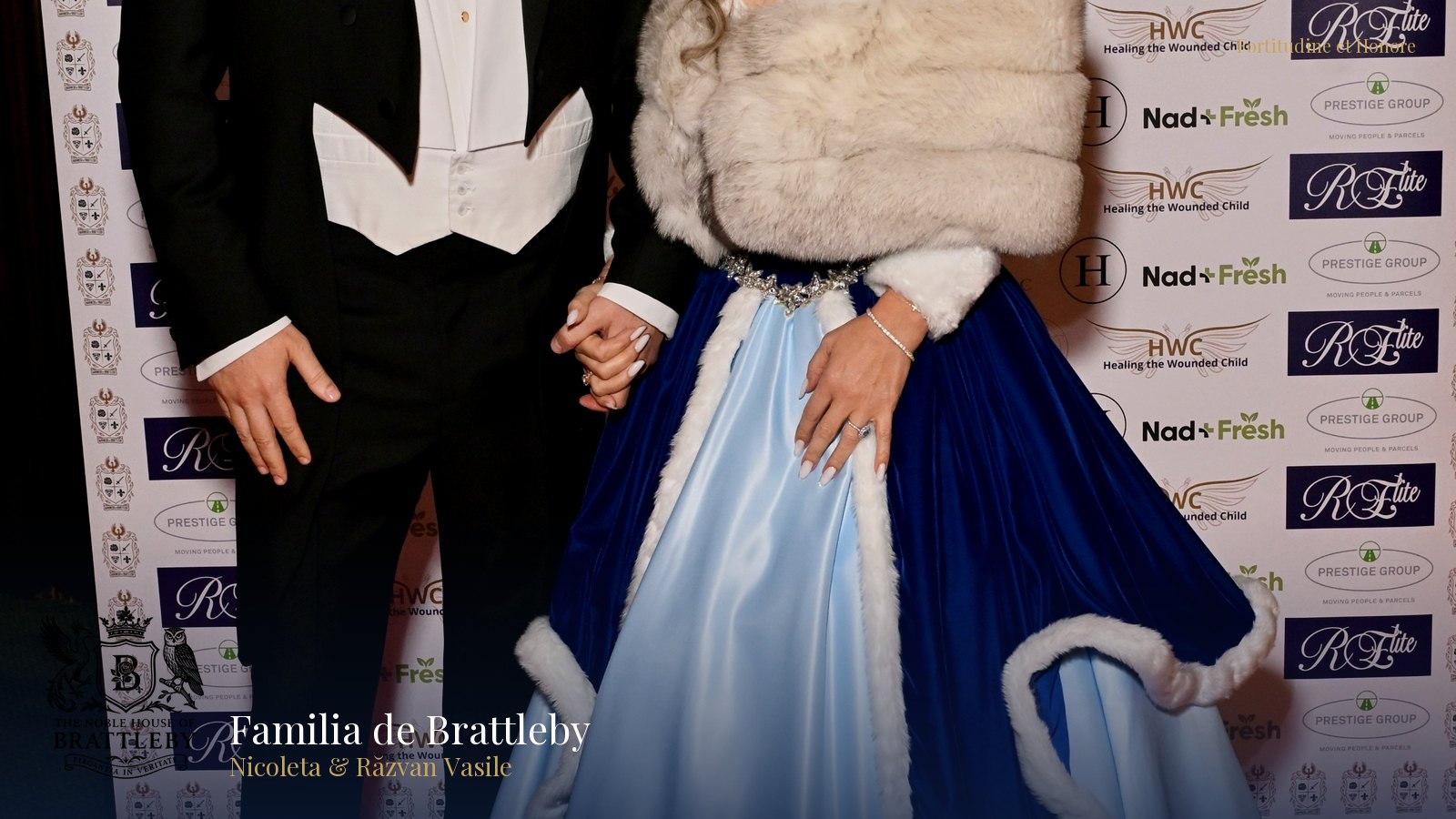
**About The Noble House of Brattleby** Under the leadership of Lady Nicoleta Vasile, 12th Baroness of Brattleby, and her husband, Honorary Lord Răzvan Vasile, The Noble House of Brattleby is dedicated to a modern mission of cultural preservation and philanthropic service. The House actively supports charitable causes, with a particular focus on children’s welfare through its patronage of organisations like Healing the Wounded Child. Its initiatives, including the annual Winter Banquet and The Brattleby Club in Bucharest, are guided by its historic motto, *Fortitudine et Honore* ('With Fortitude and Honour'). The House’s activities balance the stewardship of a significant nine-century English heritage with a dynamic, forward-looking commitment to making a positive contribution to contemporary society in both the United Kingdom and continental Europe.
**About the Barony of Brattleby** The fee simple Barony of Brattleby is an ancient English noble title, granted by William the Conqueror following the Norman Conquest of AD 1066. Its existence is first documented in the Domesday Book of 1086, which records its holder, Colswein of Lincoln, as tenant-in-chief of 56 lordships. Throughout its history, the Barony has been held by some of the most prominent figures in English history, including Nichola de la Haye, a key defender of Lincoln Castle in the 13th century; Henry of Grosmont, 1st Duke of Lancaster; and his son-in-law, John of Gaunt. The title's modern standing and the succession to Lady Nicoleta Vasile, the 12th Baroness, were formally recognised by The Crown and published in The London Gazette (Notice ID 4158083) on 9 September 2022.
**Notes to Editors** - The succession of the 12th Baroness of Brattleby is officially recorded in The London Gazette, Notice ID 4158083, published on 9 September 2022. - The Barony’s origins date to 1066, with its first holder, Colswein of Lincoln, recorded in the Domesday Book of 1086. - Notable historical holders of the Barony include John of Gaunt (11th Baron), Henry of Grosmont, 1st Duke of Lancaster (10th Baron), and Nichola de la Haye (5th Baron). - The family seat is located in Brattleby, Lincolnshire, England.
**Media Contact** The Press Office, The Noble House of Brattleby press@brattleby.com