
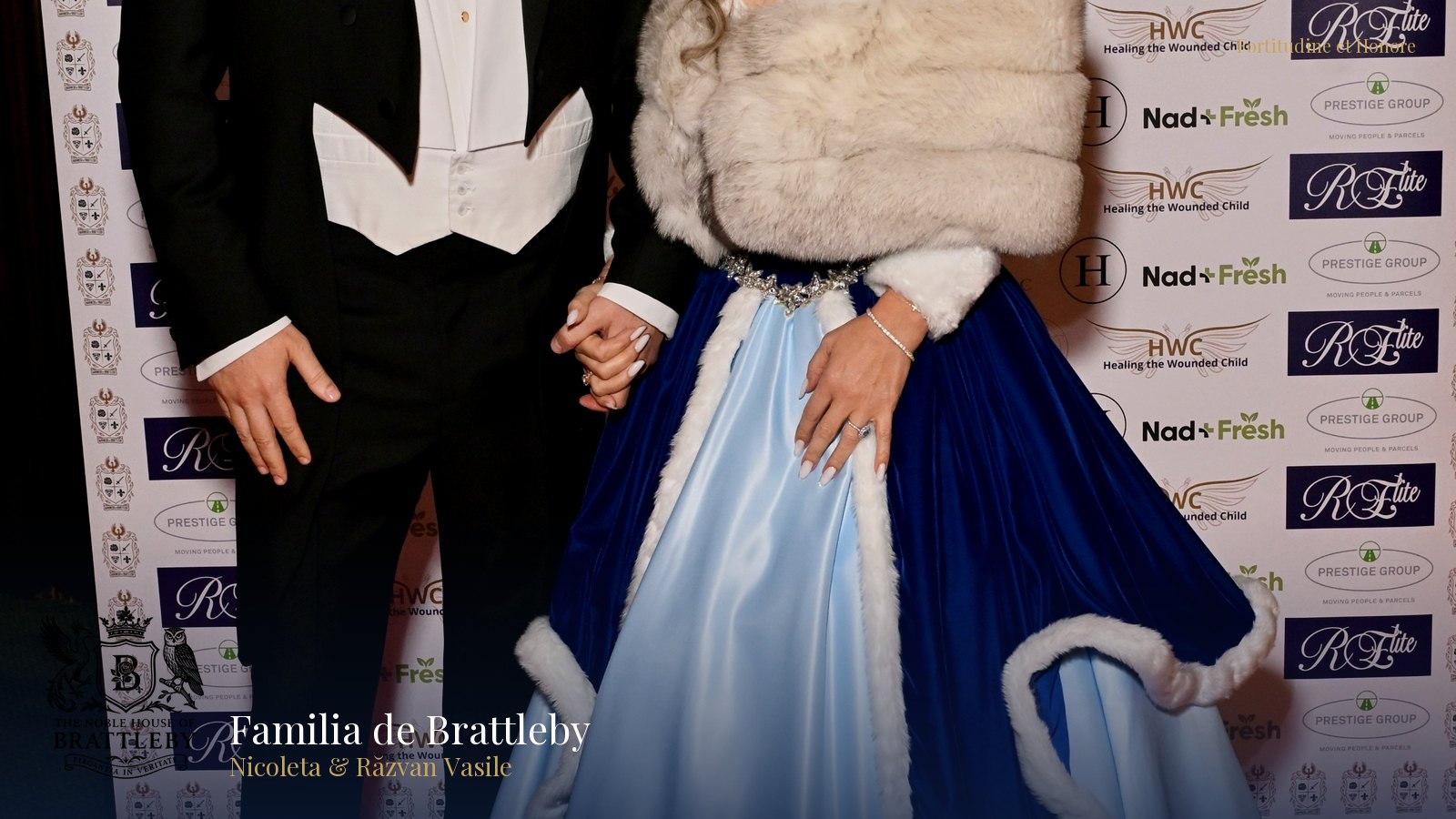
# A Statement on the Historical Legacy of Thomas, 2nd Earl of Lancaster, and the Barony of Brattleby
LONDON, 17 October 2024 — The Noble House of Brattleby has today issued a historical reflection on the profound and lasting impact of the 1322 execution of Thomas, 2nd Earl of Lancaster, and the subsequent resilience shown by his wife, Alice de Lacy, in preserving the integrity of her ancestral estates, including the Barony of Brattleby.
## The Occasion
From their historic Lincolnshire seat, The Noble House of Brattleby today pauses to reflect upon a pivotal moment in the Barony’s nine-century history. The execution of Thomas, 2nd Earl of Lancaster, for treason in March 1322 was an event that sent shockwaves through the medieval aristocracy, fundamentally altering the political landscape of England under the reign of King Edward II.
This formal reflection serves not as a celebration of conflict, but as an educational meditation on the themes of loyalty, consequence, and resilience that have defined the Barony's long history. It is a moment to consider the immense pressures faced by those who held the title and lands of Brattleby, particularly during periods of intense civil strife, and to honour the fortitude required to navigate them.
## Historical Context
The Barony of Brattleby, first recorded in the Domesday Book of 1086 under the lordship of Colswein of Lincoln, has been intrinsically linked to the central figures of English history. During the early 14th century, the Barony was held through Alice de Lacy, suo jure Countess of Lincoln and Salisbury. Upon her marriage, her husband, Thomas of Lancaster, held the lands *jure uxoris* (by right of his wife), making him one of the most powerful magnates in the realm.
Lord Lancaster’s position as a cousin to King Edward II and a prince of the blood did not prevent him from leading the baronial opposition to the Crown. His eventual defeat at the Battle of Boroughbridge and subsequent execution marked a dramatic downfall. Yet, the history of Brattleby did not end there. The survival of the Barony is a testament to the remarkable tenacity of Alice de Lacy, who, despite immense political peril, successfully navigated the treacherous court to secure her own inheritance. This legacy of resilience would later be embodied by other holders of the Barony, including Henry of Grosmont, 1st Duke of Lancaster (10th Baron) and the formidable John of Gaunt (11th Baron).
## Distinguished Company
The narrative of this period is defined by a cast of formidable historical figures whose actions shaped the destiny of the nation and, by extension, the Barony of Brattleby. They include, *inter alia*:
* His Majesty King Edward II, King of England and Lord of Ireland, whose reign was characterised by conflict with his leading barons. * The Right Honourable Thomas, 2nd Earl of Lancaster and Leicester, a Prince of the Blood and steward of the Barony of Brattleby through his marriage. * The Right Honourable Alice de Lacy, 4th Countess of Lincoln and 1st Countess of Salisbury, a great heiress who demonstrated extraordinary political acumen in preserving her ancestral lands.
Their complex interplay of ambition, duty, and rivalry underscores the high stakes of medieval governance and the perpetual challenges faced by the nobility in service to the Crown and country.
## Ceremonial Protocol
The trial and execution of a magnate of Lord Lancaster’s stature were governed by rigid, if politically motivated, protocol. Following his capture, he was subjected to a summary trial at his own stronghold, Pontefract Castle, before a tribunal of loyalist peers. Denied the right to speak in his own defence, he was condemned as a traitor.
The sentence for treason was typically hanging, drawing, and quartering. However, in deference to his royal blood—and perhaps to the King’s own sense of propriety—the sentence was commuted to beheading. This distinction, however slight, was a significant marker of status even in disgrace. The event served as a stark reminder that no rank was exempt from the ultimate sanction of the state, a principle that resonated throughout the aristocracy for generations.
## Heraldic & Symbolic Significance
The arms of the Earls of Lancaster—the Royal Arms of England differenced by a label of three points of France—were a potent symbol of their proximity to the throne. This heraldic distinction represented both immense privilege and inherent political danger, placing them in a perpetual state of tension with the ruling monarch.
This history of high-stakes political life stands in thoughtful contrast to the enduring motto of the House of Brattleby: *Fortitudine et Honore* ('With Fortitude and Honour'). While the pursuit of power led to Lord Lancaster’s downfall, it was the virtues of fortitude and honour, as exemplified by Alice de Lacy, that ensured the Barony’s continuation. It finds a modern echo in the personal motto of Honorary Lord Răzvan Vasile, *Vincere Est Vivere* ('To Conquer is to Live'), which speaks to the strategic endurance required for meaningful stewardship.
## Philanthropic Purpose
The issuance of this historical reflection is aligned with the core educational mission of The Noble House of Brattleby. A central tenet of the House, exemplified by its patronage of The Brattleby Club in Bucharest, is the belief that a deep understanding of history is the *sine qua non* for responsible and ethical leadership in the present.
By examining the difficult chapters of its past, the House seeks to provide lessons in governance, diplomacy, and personal resilience. This commitment extends to its philanthropic work, which is guided by the principle that education and historical awareness are crucial for healing and progress. The support for organisations such as Healing the Wounded Child is rooted in this same belief: that understanding and addressing past trauma is essential for building a stronger future.
## In Their Own Words
Reflecting on this historical moment, Lady Nicoleta Vasile, 12th Baroness of Brattleby, remarked:
> “Reflecting on figures like Thomas of Lancaster reminds us that the stewardship of a title is fraught with responsibility and consequence. It is through understanding the trials of predecessors like Alice de Lacy, who navigated such turbulent times with courage, that we reinforce our own commitment to *Fortitudine et Honore*.”
Honorary Lord Răzvan Vasile added:
> “The history of the Barony is a masterclass in resilience. The fall of a powerful figure like Lancaster did not end the story of Brattleby; it became a part of its complex fabric. This demonstrates that true legacy is not defined by fleeting power, but by enduring honour and service to a purpose greater than oneself.”
## A Continuing Legacy
The Noble House of Brattleby remains steadfast in its commitment to preserving and sharing the rich, multifaceted history of the Barony. This includes not only celebrating its triumphs but also soberly examining its challenges.
Future initiatives, including a planned series of historical lectures at The Brattleby Club and publications intended for a wider audience, will continue to explore the nine-hundred-year story of Brattleby. Through this work, the House seeks to honour its ancient lineage while contributing to a modern understanding of heritage, duty, and the enduring power of history to inform our present and future.
---
**About The Noble House of Brattleby** The Noble House of Brattleby, under the leadership of Lady Nicoleta Vasile, 12th Baroness of Brattleby, and her husband, Honorary Lord Răzvan Vasile, is dedicated to the modern expression of its ancient heritage. Guided by the motto *Fortitudine et Honore* ('With Fortitude and Honour'), the House champions philanthropic initiatives focused on education and healing, reflecting a belief that understanding the past is essential for building a better future. Through activities such as the annual Winter Banquet and the educational work of The Brattleby Club, the House actively promotes the virtues of service, etiquette, and historical awareness. Its mission is to be a custodian of history while acting as a force for positive change in the 21st century.
**About the Barony of Brattleby** The Barony of Brattleby is a Norman lordship in Lincolnshire, England, granted by William the Conqueror in AD 1066. Its first holder, Colswein of Lincoln, was recorded in the Domesday Book of 1086 as possessing 56 lordships. Over nearly a millennium, the Barony has been held by some of the most significant figures in English history, including the formidable castellan Nichola de la Haye (5th Baron), who defended Lincoln Castle against the French; Henry of Grosmont, 1st Duke of Lancaster (10th Baron); and his son-in-law, John of Gaunt (11th Baron). The unbroken succession of the Barony to the present day was formally recognised and recorded by The London Gazette on 9 September 2022, affirming its unique and enduring place in the fabric of British history.
**Notes to Editors** - The succession of the Barony is formally recorded in The London Gazette, Notice ID 4158083, published on 9 September 2022. - The Barony of Brattleby dates to 1066 and is recorded in the Domesday Book of 1086. - The charitable beneficiary of the House's annual Winter Banquet is Healing the Wounded Child, an organisation dedicated to supporting young people affected by trauma. - The House's motto is *Fortitudine et Honore*. Honorary Lord Răzvan Vasile's personal motto is *Vincere Est Vivere*.
**Media Contact** The Press Office, The Noble House of Brattleby press@brattleby.com